Buy the book:




I always wanted to write my story. But when I was appointed the 8th Vice-Chancellor of the University of Nairobi, marking thirty years of continuous service, that desire crystallized into a mission. I wanted to narrate a tale of inspiration—a roadmap for the boy in the village or the student in a crowded estate—to show that one’s beginnings and station in life should not prevent them from reaching for the stars.
My original vision was for a book titled Gratitude. This was to be a heartfelt tribute to the family, mentors, and colleagues who held my hand and made the sacrifices that allowed me to rise; a celebration of the unexpected turns and quiet graces that shaped my life. To this day, gratitude remains the bedrock of my existence.
But life has a way of throwing a wrench into even the most meticulous plans. The very day I stepped into the Vice-Chancellor’s office, the “how-to-inspire” book I had imagined was unceremoniously shoved to the periphery. I had climbed every rung of the academic and leadership ladder—from assistant lecturer to professor, from chair of the department to Deputy Vice-Chancellor. Yet, nothing prepared me for the storm awaiting at the summit.
My immediate task was not about writing; it was about steering a massive, historic ship through a relentless storm. The University was in deep financial and administrative turmoil. My days were consumed not with quiet reflection, but in the trenches of crisis management—steadying the vessel and extinguishing a thousand fires. The work was relentless but profoundly meaningful and incredibly rewarding. I dedicated myself to building a foundation for the future. By all objective measures, the performance was exemplary: official evaluations consistently returned “Excellent” grades, and reviews by the University Council never fell below 96 out of 100, a testament to that labor.
Then, just as the spires of my vision were beginning to crest the horizon, the end came—abrupt, dramatic, and wholly foreign to the academic field. The end did not come through a boardroom discussion. Instead, the Chair of the Council strode into the University Towers one day, flanked by a phalanx of privately hired, hooded policemen and burly men in civilian clothes. A man carrying a bag of tools meant for breaking down doors led the way. I stepped out of my office to find the shadow of tactical gear looming over the threshold of the Vice-Chancellor’s door. It was a violent, cinematic intrusion into the world of academia. I was ordered to hand over the office of the Vice-Chancellor to the Council immediately.
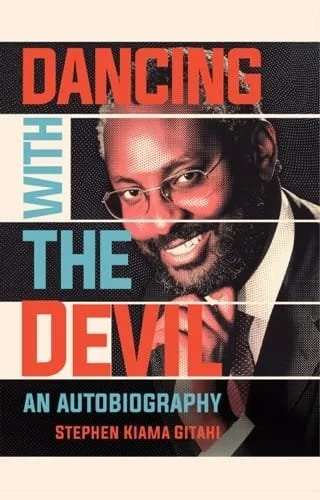
This sudden halt forced me to rethink the very essence of the tale I wanted to tell. The story was no longer just about gratitude; it was about the visceral, shadowy realities of high-stakes public service leadership. It was about the compromises demanded, the battles fought in silence, and the moral contortions expected of those who serve in the crosswinds of power. I realized that to tell the truth, I had to change the title. And so, the title became “Dancing with the Devil”.
The “Devil” here is not the horned figure of Sunday school tales, nor is this a story advocating for a spiritual fall. In the high-stakes arena of public office, the “Devil” is a metaphor for the system itself—the relentless, often irrational pressure to compromise one’s principles for the sake of survival. It is the “Devil” of political expediency, of bureaucratic inertia, and of cold power-brokering.
The title was inspired by a poignant moment recounted by Dr. Eng. Karanja Kibicho, former Principal Secretary for the Ministry of Interior, at the home of the late Prof. George Magoha. He recalled a tense Sunday morning where Prof. Magoha, feeling betrayed and “thrown under the bus” by the erratic government decisions surrounding my own appointment as the 8th Vice-Chancellor, was ready to resign. Kibicho’s counsel to him was a masterclass in the pragmatism of power:
“You have joined an arena which is called political. And sometimes, in this arena, you have to learn how to dance with the devil... Professor, rarua barua ushike the devil kiuno mucheze rumba (Professor, tear up the letter, hold the devil’s waist, and dance the rumba).”
For a lifetime academic, this advice is jarring—a harrowing lesson in moral flexibility. We train our students to pursue absolute truths, scientific logic, and the purity of facts. But in the corridors of power, truth is often negotiable, and logic is frequently sacrificed at the altar of political expediency. The “dance” is the uneasy art of cooperating with irrational actors or softening administrative ideals just enough to remain in the room to do some good. Kibicho was warning Magoha—and by extension, all of us who hold high public office—that one cannot simply command results through merit alone. Sometimes, to protect your mission, you must keep in step with the music played by those who hold the levers of power, even if you despise the tune.
As I reflected on the history of the University of Nairobi’s leadership, a startling pattern emerged. Since the awarding of the Charter, out of eight Vice-Chancellors, only two—Prof. Francis Gichaga and Prof. George Magoha—completed their full tenures. The rest had their terms cut short. I found myself asking uncomfortable questions: Did we simply not know how to dance? Or did we refuse to hear the music?
Kibicho’s lesson forces us to confront a haunting question: What happens to our “Community Wells”—the institutions built to serve the public—when their leaders must spend more time watching their feet in a treacherous dance rather than looking toward the horizon?
This is the story of a boy, born at home with the assistance of a midwife, who rose to lead Kenya’s premier university, only to learn that the highest summit is often the most slippery. I invite you to walk these unbeaten paths with me—not just to see where I have been, but to understand the enduring strength required to pursue the truth, even when the dance is at its most dangerous.
Quote: Dr. Eng. Karanja Kibicho
As recorded on January 31, 2023, during the eulogy for Prof. George Magoha:
“So, one Sunday morning he called me to his KNEC office and said he wants to resign, because he feels that he is no longer wanted. How can he be put under the bus and the whole country will laugh at him? And he was serious; he held the letter of resignation in his hand. Then I told him, ‘calm down.’ ... I remembered to remind him of something I was told when I was in a situation like that, early in my civil service job: That you have joined an arena which is called political and sometimes when you are in this arena you have to learn how to dance with the devil. I told him, ‘Professor, rarua barua ushike the devil kiuno mucheze rumba’ because the country is bigger than how you feel; the country must continue. I called Professor Kiama and the matter was settled.”
About The Book
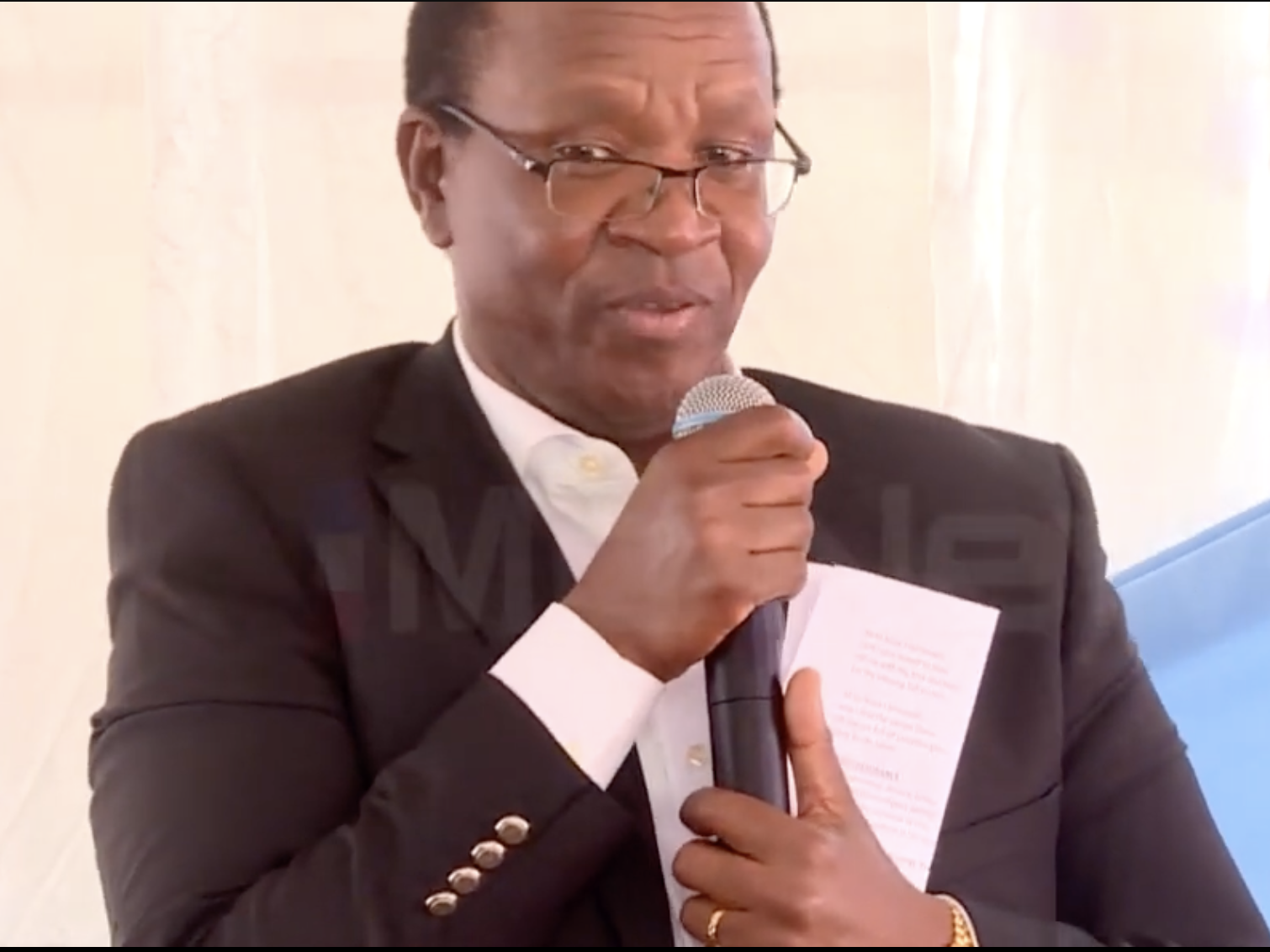
See the inspiration for the book’s title:
“Dancing with the Devil“